







Is Whey Protein Vegetarian? Let’s Unpack the Scoop!
You’ve probably seen it everywhere: protein powders lining shelves like trophies. But if you’re on a vegetarian diet and eyeing that tub of whey, you might be asking, "Is whey protein vegetarian?" Well, grab a smoothie and let’s get into it.
The Short Answer: Yes... But With a Catch
Whey protein is derived from cow’s milk during the cheese making process. Once the milk curdles, it splits into two things: curds (hello, cheese!) and whey, that liquid-y leftover. That liquid gets filtered, dried, and turned into the powdered gold we call whey protein powder.
Since no animals are harmed in this process, and no meat is involved, most vegetarians consider whey protein totally fair game. Especially lacto-vegetarians who consume dairy products.
BUT, if your dietary compass leans more vegan or you avoid animal-derived enzymes like rennet (used in cheese making), you might want to read labels or steer clear altogether.
Different Types of Whey Protein
-
Whey Protein Concentrate: Contains a little more fat and lactose but still packs a solid protein punch.
-
Whey Protein Isolate: More refined, lower in lactose and fat. Great if you’re slightly lactose intolerant.
-
Hydrolysed Whey: Pre-digested (yep, it sounds weird) for faster absorption. Ideal for quick recovery.
All these forms deliver essential amino acids, including those oh-so-important branched chain amino acids (BCAAs) that help with muscle growth, muscle repair, and lean muscle mass.
Is Whey Protein Right for All Vegetarians?
Not necessarily. While whey protein supplements are generally considered vegetarian friendly, not all vegetarians are the same:
-
Lacto-vegetarians: Thumbs up, whey is in.
-
Ovo-vegetarians: If they skip dairy, then nope.
-
Vegans: No whey, José. Dairy is a dealbreaker.
Dietary Restrictions & Food Sensitivities
If you’re sensitive to lactose, have digestive issues, or prefer gluten free and allergen-friendly options, whey protein might not be your gut’s best friend.
Even whey protein isolate, though low in lactose, can still cause bloating or discomfort for some people. Not to mention, many commercial whey powders are loaded with artificial sweeteners or fillers. Yikes.
Enter: Plant-Based Protein Powders
If you’re after something more gentle on the belly and better for the planet, plant-based protein powders are the way to go.
Let’s talk pea protein, brown rice protein, hemp protein powder, and even soy protein powder. These heroes are:
-
Derived from plants (so, no cow came to the party)
-
Packed with high quality protein
-
Often combined to make a complete protein that contains all nine essential amino acids
-
Ideal for anyone with dietary restrictions, food sensitivities, or living that vegan life
Want to dive deeper into the difference?
👉 Check out our full breakdown: Vegan Protein Powder vs Whey for Weight Loss
Botanika Blends Bonus Tip
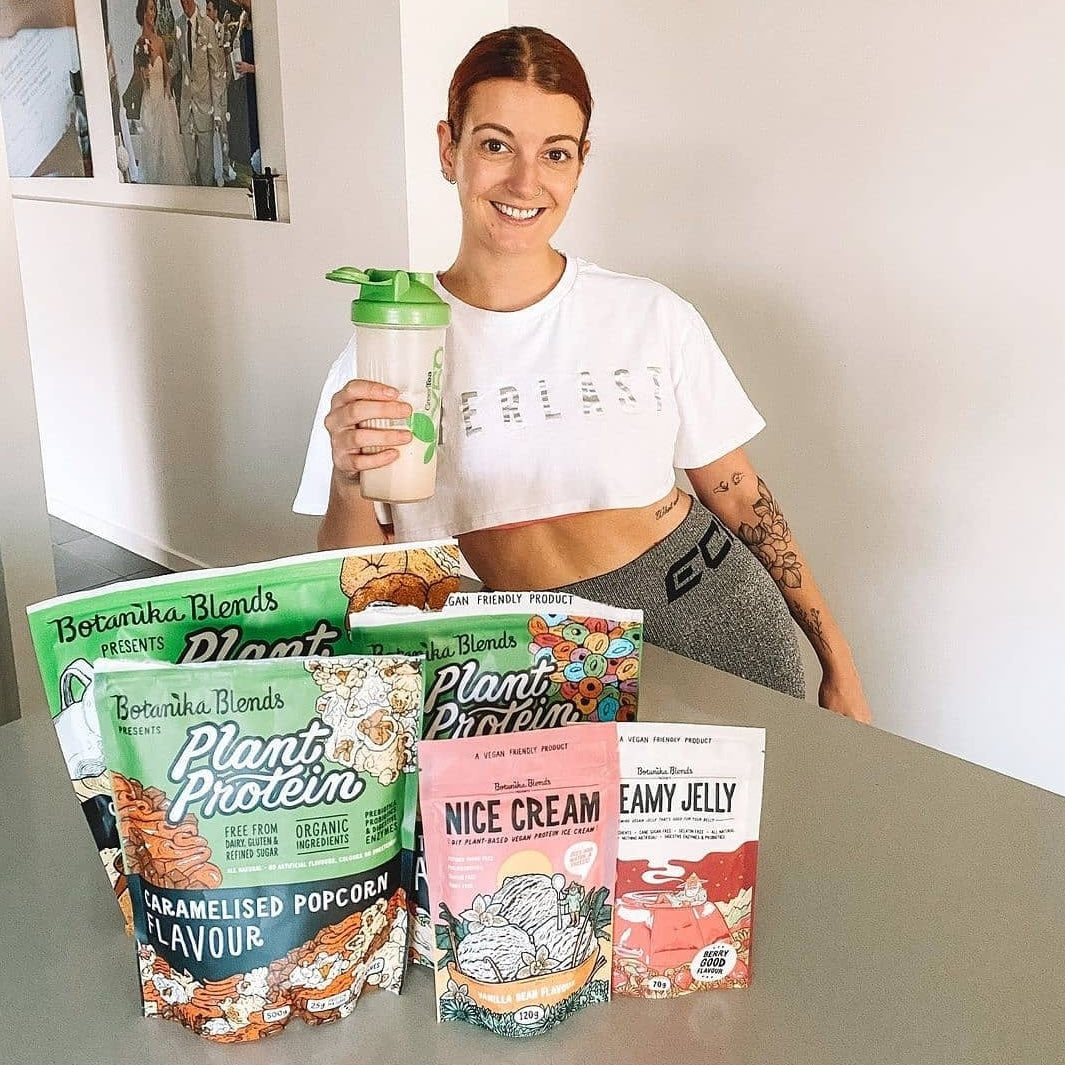
If you're looking for a plant-powered swap for your protein fix, we’ve got your back (and your belly). Our vegan protein powders are crafted from pea protein, faba bean, and brown rice protein to give you that muscle-building magic without the bloat.
Plus, they’re:
-
Gluten free, dairy free, and non-GMO
-
Packed with digestive enzymes and natural sweeteners
-
Designed for flavour, functionality, and feeling good
Because building lean muscle mass shouldn’t mean compromising your values or your gut health.
Final Word about whey protein
So, is whey protein vegetarian? Technically, yes. But if your goals go beyond gains—think gut health, eco-conscious eating, and clean ingredients—our plant-based protein powders are a delicious alternative worth lifting for.
Share:
FAQ – about Whey Protein & Vegetarian diet
More blogs
-

Cacao Hazelnut Chocolate Protein Cups
Method Mix the BaseCombine crushed biscuits with condensed milk until it forms a sticky, crumbly mixture. PressLine a muffin tray with paper liners. Press 1 teaspoon of base into each cup. Pop into the freezer for 5 minutes to set....
-

The Best Fibre Supplement in Australia: Your Complete PHGG Fibre Guide
Let's be honest, most fibre supplements are rough. They're gritty, they taste like cardboard, and they leave you feeling bloated and uncomfortable. But here's the thing: fibre is essential. It's not optional. Your gut health depends on it. Your energy, your mood, your...
-

Vegan Raffaello Protein Balls
Raffaello… but make it plant-based, nourishing and a little bit magical. These creamy coconut bites bring all the dreamy white chocolate and coconut vibes of the classic treat, with a wholesome twist thanks to Keto Creamer. Soft on the inside,...


Eyes Off the Butt, Onto the Inbox
Get early access to new products, exclusive offers, and secret plant-based perks you won’t find anywhere else.

Free AU shipping for
order over $120
All natural & plant based
Join our loyalty program
and earn rewards
Our team of experts are here to answer any queries
Made in Brisbane, Australia